
Disclosure: This post may contain affiliate links. If you buy through these links, I may earn a small commission at no extra cost to you.
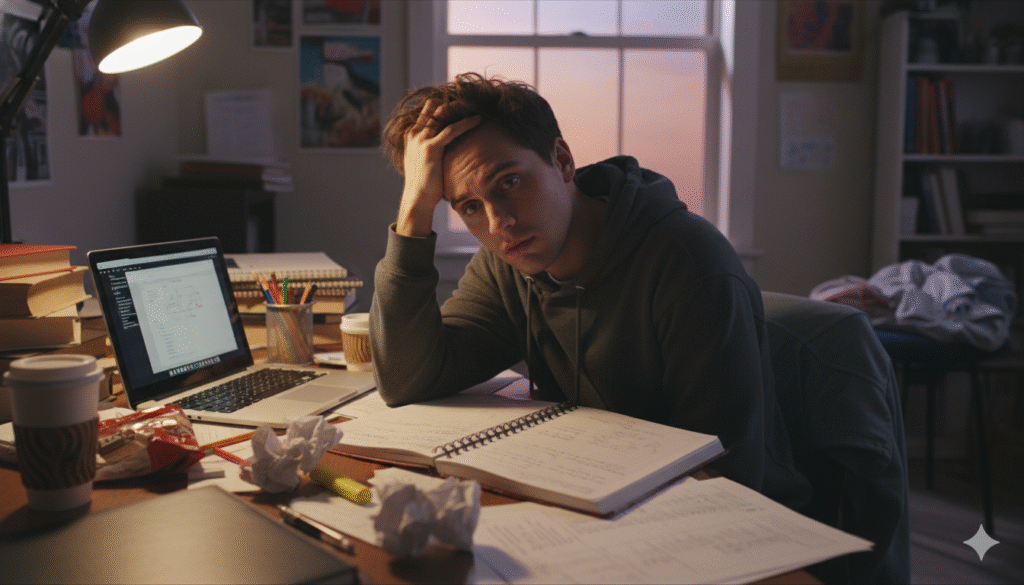
I used to waste an unbelievable amount of time getting ready to study.
Not actually studying.
Just preparing.
I’d clean my desk.
Watch “study motivation” videos.
Make a perfect timetable.
Open five tabs for no reason.
And somehow… two hours would disappear before I even started my assignment.
The frustrating part?
I genuinely wanted to do well.
But every time I sat down to study, my brain made everything feel heavier than it actually was.
A small chapter felt huge.
One homework task felt exhausting.
Even opening my notebook sometimes felt mentally annoying.
Looking back, I realized something important:
Most procrastination isn’t laziness. It’s emotional resistance.
Sometimes you’re overwhelmed.
Sometimes you’re tired.
Sometimes your brain just wants comfort instead of effort.
And honestly, once I stopped treating myself like “a lazy student,” fixing procrastination became much easier.
These are the habits that genuinely helped me stop delaying everything and finally study more consistently.
Why Students Procrastinate So Much
People usually think procrastination means poor discipline.
I don’t think that’s fully true anymore.
Most students procrastinate because studying creates stress before they even begin.
Things like:
- Fear of failing
- Feeling behind
- Pressure from exams
- Phone distractions
- Low energy
- Overthinking
- Wanting everything to feel perfect
For me, procrastination got worse whenever tasks felt emotionally “too big.”
And the weird part?
The longer I delayed studying, the more stressful it became.
It turned into a cycle.
1. Stop Romanticizing Motivation
This changed how I looked at productivity.
I used to think disciplined students woke up feeling motivated every day.
Not true at all.
Most students who study consistently simply start before they feel ready.
That’s it.
Motivation is unreliable.
Some days you’ll feel energetic.
Other days you’ll feel mentally flat.
What surprised me was realizing that action usually creates motivation — not the other way around.
Once I stopped waiting for the “perfect mood,” I wasted far less time.
2. Make the Task Look Smaller Than It Feels

This helped me during exam season especially.
Whenever I told myself:
“I need to study chemistry tonight…”
my brain instantly resisted it.
But when I changed it to:
- Read 2 pages
- Solve 5 questions
- Revise one topic
it suddenly felt manageable.
A lot of procrastination comes from mental intimidation.
Smaller tasks feel safer to start.
And starting is usually the hardest part.
3. Your Phone Is Probably Destroying Your Focus
I know this sounds obvious.
But I ignored this advice for years.
I’d keep my phone next to me while studying and somehow convince myself it wasn’t affecting me.
Meanwhile:
- checking notifications
- opening Instagram “for one minute”
- replying to random messages
- switching apps constantly
My brain never got a chance to fully focus.
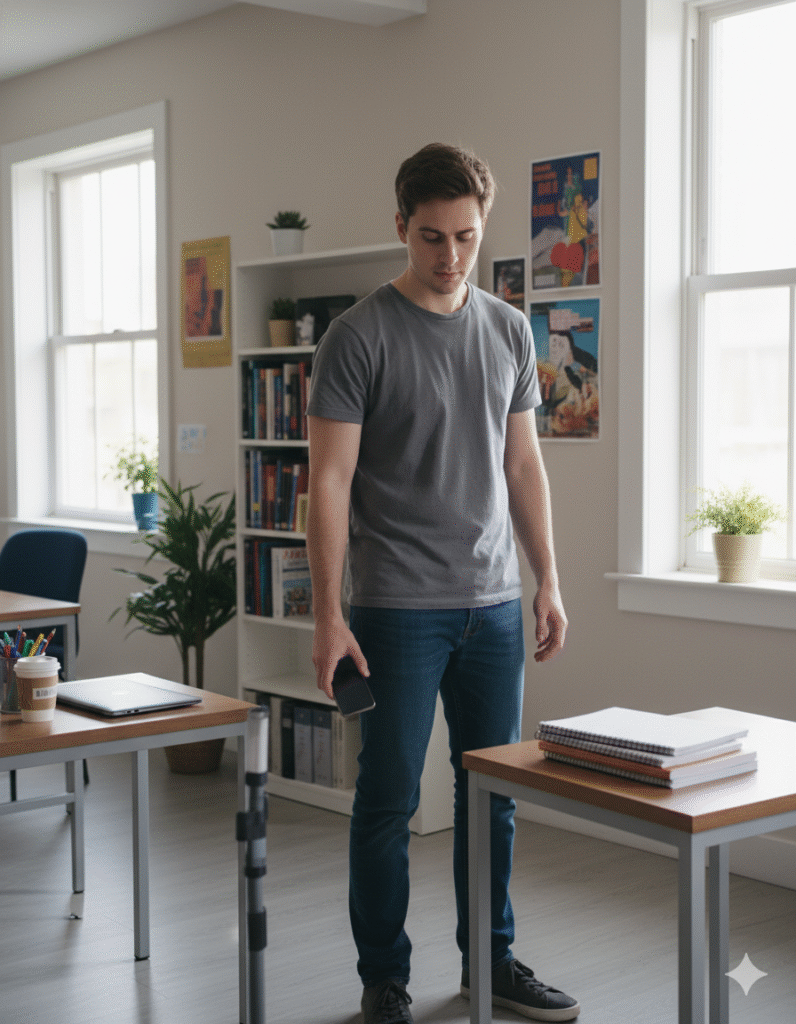
Now I put my phone across the room.
Not beside me.
Not face down.
Physically away.
The difference in concentration is honestly ridiculous.
4. Stop Trying to Have the “Perfect Study Day”
This was a huge problem for me.
I wanted:
- perfect focus
- perfect notes
- perfect routine
- perfect energy
And if things didn’t feel ideal?
I delayed everything.
Eventually I understood something:
Messy progress is still progress.
A bad study session is still better than avoiding studying completely.
That mindset helped me stop restarting my routines every few days.
5. Use a Timer So Your Brain Stops Panicking

One thing I noticed:
My brain handled studying much better when it knew there was an ending point.
That’s why short study sessions worked better for me than marathon sessions.
I started using the Pomodoro Technique:
- 25 minutes studying
- 5-minute break
- Repeat
Suddenly studying didn’t feel endless anymore.
A simple visual Pomodoro timer also helped because I stopped checking my phone constantly for the time.
6. Prepare Your Study Space Before You Feel Lazy
This sounds small, but it removed a lot of friction for me.
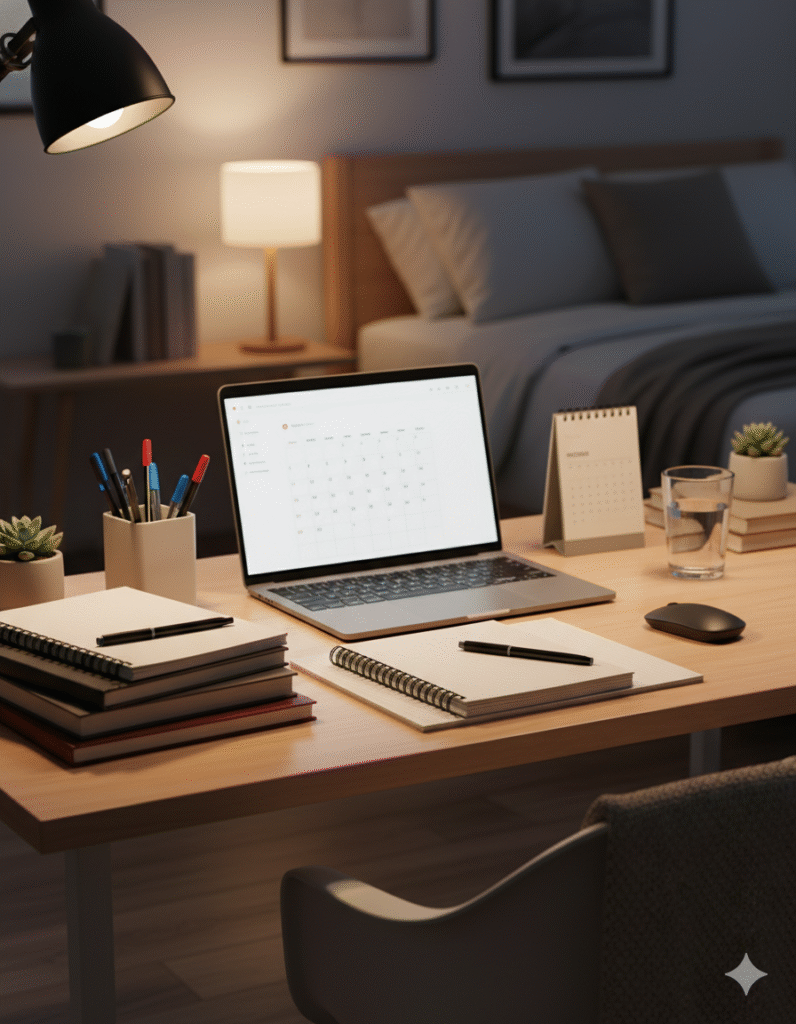
At night, I started:
- keeping my notebook ready
- charging my laptop
- cleaning my desk
- placing tomorrow’s books nearby
So when study time came, starting felt easier.
I didn’t have to “set everything up” first.
The less resistance between you and the task, the less likely you are to procrastinate.
7. Stop Studying Like You’re Punishing Yourself
This was another thing I didn’t notice at first.
I treated studying like some painful thing I had to survive.
No breaks.
No rewards.
No balance.
That approach made me avoid studying even more.
Now I study in shorter sessions and give myself small rewards after finishing:
- snacks
- YouTube break
- short walk
- music
And weirdly enough, consistency became easier.
8. Sleep Affects Procrastination More Than You Think
I thought procrastination was always a discipline issue.
Sometimes it was just exhaustion.
Whenever my sleep schedule got bad:
- I avoided difficult tasks more
- my focus dropped
- everything felt mentally heavier
A tired brain looks for easy dopamine.
That’s why scrolling feels more attractive than studying when you’re exhausted.
Fixing my sleep improved my productivity more than some “study hacks” ever did.
9. Don’t Study Everything at Once
This mistake made me overwhelmed constantly.
I’d create unrealistic study plans like:
- 6 chapters
- 4 subjects
- 8-hour schedule
And then feel terrible when I couldn’t follow it.
Now I focus on fewer things at a time.
One chapter.
One task.
One session.
That feels sustainable.
10. Forgive Yourself Faster
This might sound unrelated, but it matters.
A lot of students procrastinate for one day… then mentally give up for the whole week.
I used to do that constantly.
One unproductive day doesn’t ruin your progress.
The faster you restart, the easier it becomes to stay consistent.
Common Habits That Secretly Make Procrastination Worse
These hurt my productivity badly:
- studying with my phone nearby
- all-night study sessions
- unrealistic schedules
- multitasking
- waiting for motivation
- comparing myself to “perfect” students online
Most of the time, consistency matters more than intensity.
Study Tools That Actually Helped Me Stay Consistent
These tools didn’t magically remove procrastination.
But they made studying feel less mentally difficult.
Helpful Tools
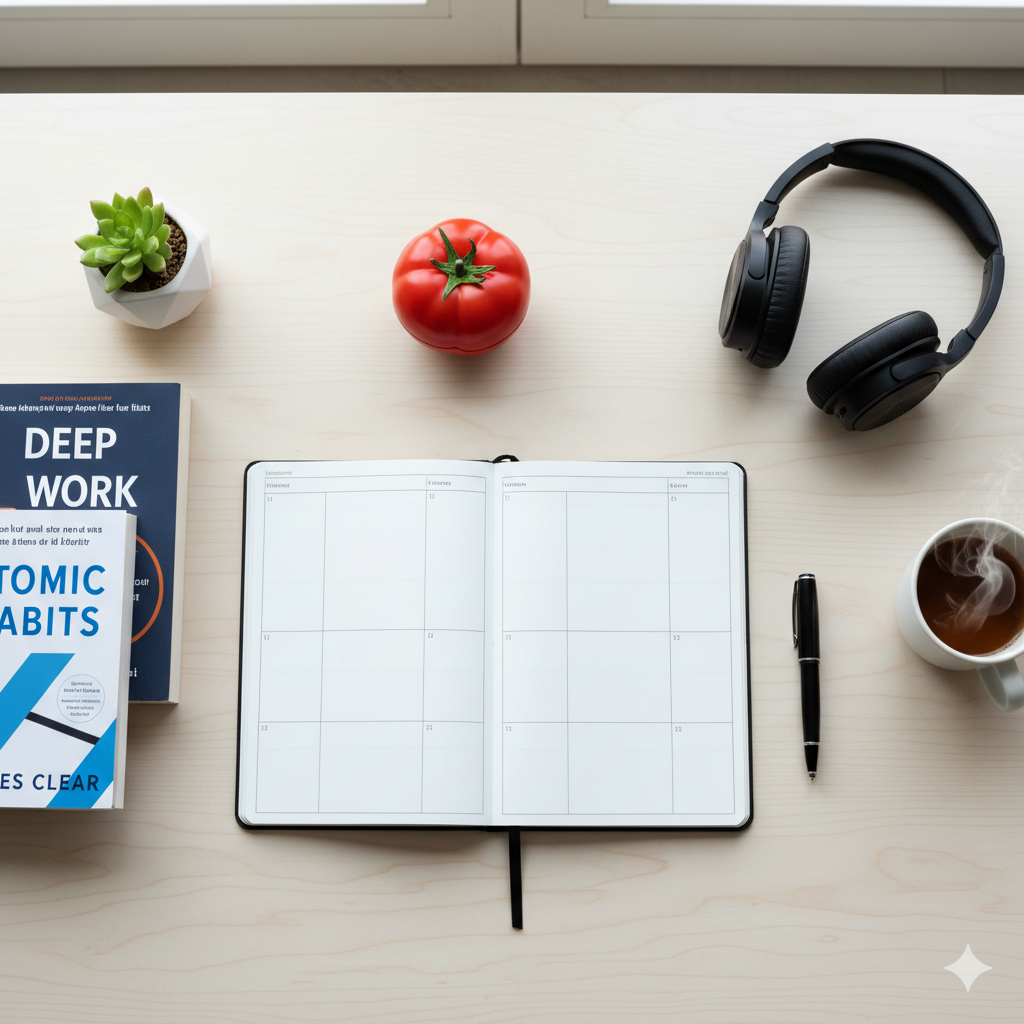
Atomic Habits by James Clear
This book helped me understand why tiny habits matter more than motivation bursts.
Deep Work by Cal Newport
Really useful for understanding how distractions slowly destroy focus.
Visual Pomodoro Timer
This reduced how often I checked my phone during study sessions.
Noise-Canceling Headphones
Helpful when studying in noisy environments or shared rooms.
Printable Study Planner
Made my weekly routine feel more realistic and organized.
The Simple Routine That Helped Me Procrastinate Less

This is the routine I still use when I feel mentally resistant to studying:
- Put phone away
- Pick one tiny task
- Set 25-minute timer
- Start before overthinking
- Take short break
- Repeat
Simple.
Not perfect.
But realistic enough to actually follow.
FAQ
How do I stop procrastinating while studying?
Start with very small tasks, remove distractions, and focus on consistency instead of motivation.
Why do students procrastinate so much?
Usually because of overwhelm, stress, perfectionism, distractions, or mental exhaustion.
Does the Pomodoro Technique help with procrastination?
Yes. Short study sessions feel less mentally overwhelming, which makes starting easier.
How can I focus better while studying?
Keep your phone away, break tasks into smaller steps, and study in distraction-free blocks.
Final Thoughts
For a long time, I thought procrastination meant something was wrong with me.
But honestly?
Most students aren’t lazy.
They’re overwhelmed, distracted, mentally overloaded, and trying to study in ways that make everything feel harder than it needs to be.
Start smaller than you think you need to.
Don’t wait for perfect motivation.
Don’t wait for the perfect mood.
Just make starting easier.
Because once you begin, the resistance usually gets quieter.