
Disclosure: This post may contain affiliate links. If you buy through these links, I may earn a small commission at no extra cost to you.
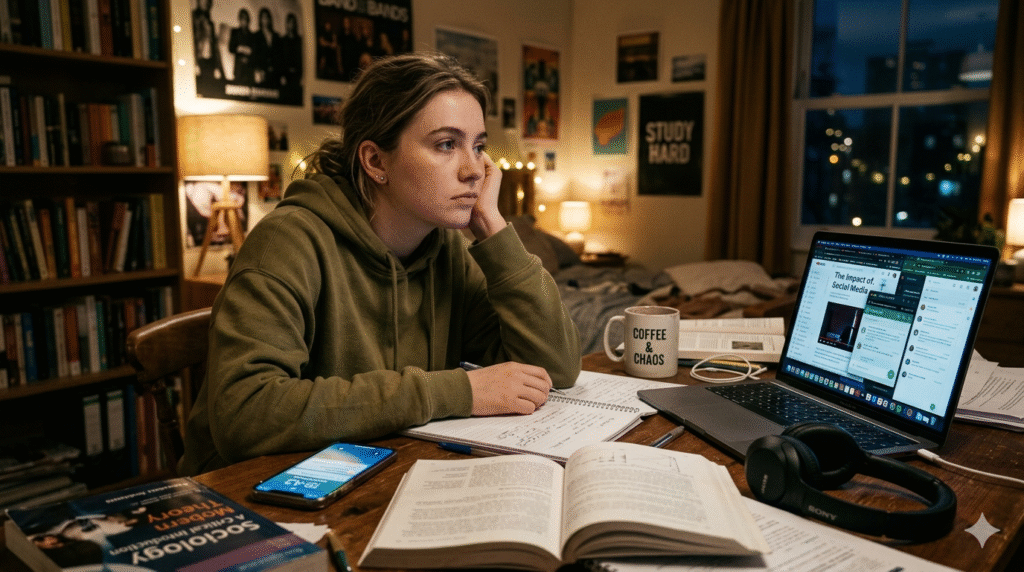
There was a time when studying felt impossible for me.
Not because I didn’t want good grades.
Not because I was lazy.
I simply couldn’t stay focused for more than a few minutes.
I’d sit down feeling motivated.
Open my textbook.
Read one page.
Then somehow end up checking my phone, opening random tabs, reorganizing my desk, or thinking about literally anything except studying.
The frustrating part?
I genuinely wanted to study.
But my concentration kept disappearing.
For a long time, I thought the problem was discipline.
Then I realized something important:
Most concentration problems aren’t caused by laziness. They’re usually caused by distractions, poor systems, and mental overload.
Once I changed a few simple habits, staying focused became much easier.
Not perfect.
But dramatically better.
If you’ve been searching for how to concentrate on studies, how to concentrate on studying for exams, or how to concentrate on studying for long hours, these are the strategies that genuinely helped me.
Why Is It So Hard to Concentrate on Studies?
For a long time, I thought I simply had bad focus.
But eventually I noticed something.
My concentration wasn’t randomly disappearing.
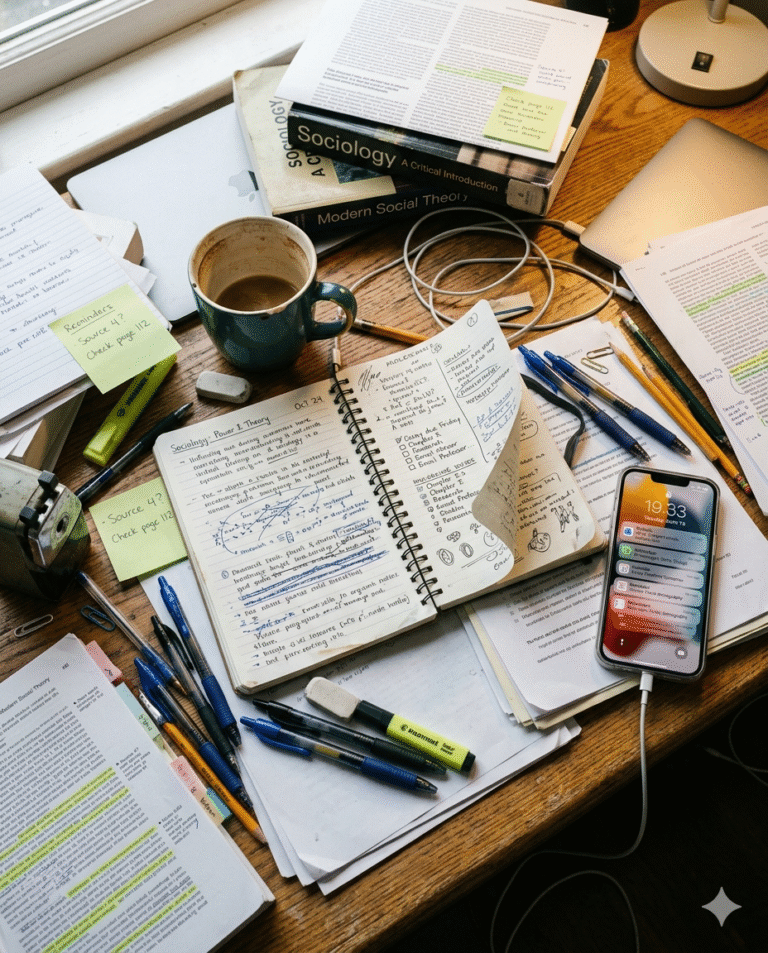
It was constantly being interrupted.
Common reasons students struggle to focus:
- phone notifications
- social media distractions
- studying without a plan
- mental fatigue
- poor sleep
- cluttered environments
- multitasking
- exam stress
Focus isn’t about forcing your brain to work harder. It’s about removing the things that constantly interrupt it.
That realization changed everything.
1. Put Your Phone Out of Reach
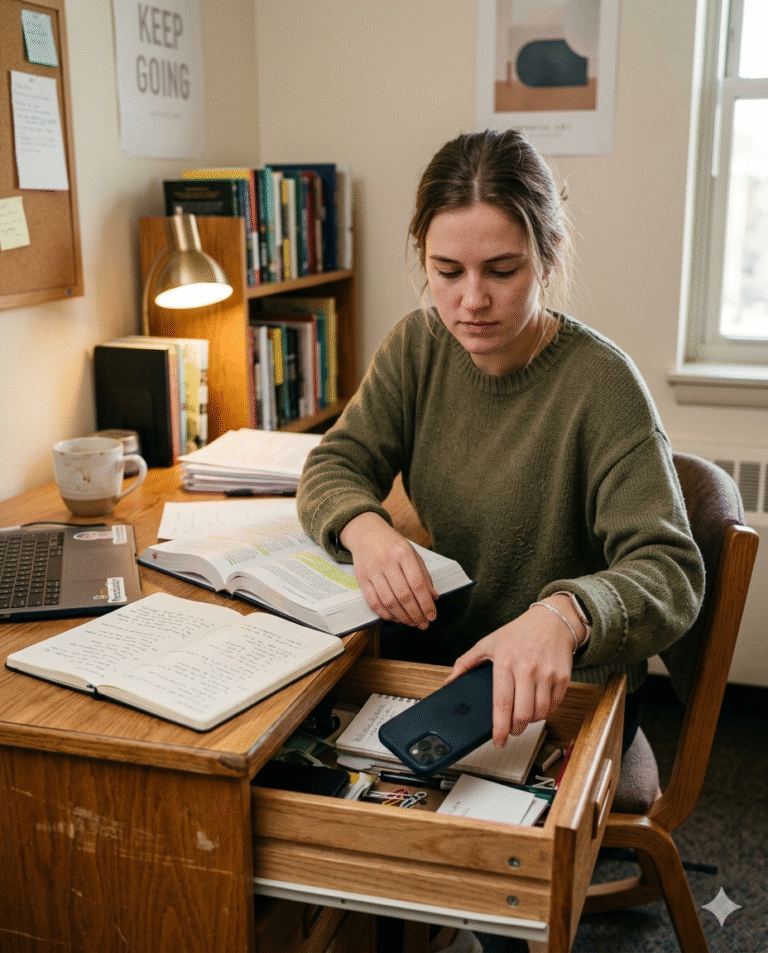
This created the biggest improvement for me.
For years I studied with my phone next to me.
I kept telling myself:
“I won’t check it.”
I always checked it.
Even seeing your phone can pull attention away.
Now I usually keep my phone in another room.
The difference feels huge.
What Helped Me
- Turn on Do Not Disturb
- Put phone away completely
- Disable unnecessary notifications
- Use blockers if necessary
If your phone is beside you, part of your attention is already somewhere else.
2. Study One Thing at a Time
I used to switch constantly between:
- chemistry
- math
- messages
- YouTube
- notes
My brain never had enough time to focus deeply.
Now I work on:
One chapter.
One topic.
One objective.
That’s it.
Multitasking feels productive.
Usually it isn’t.
3. Use the Pomodoro Technique
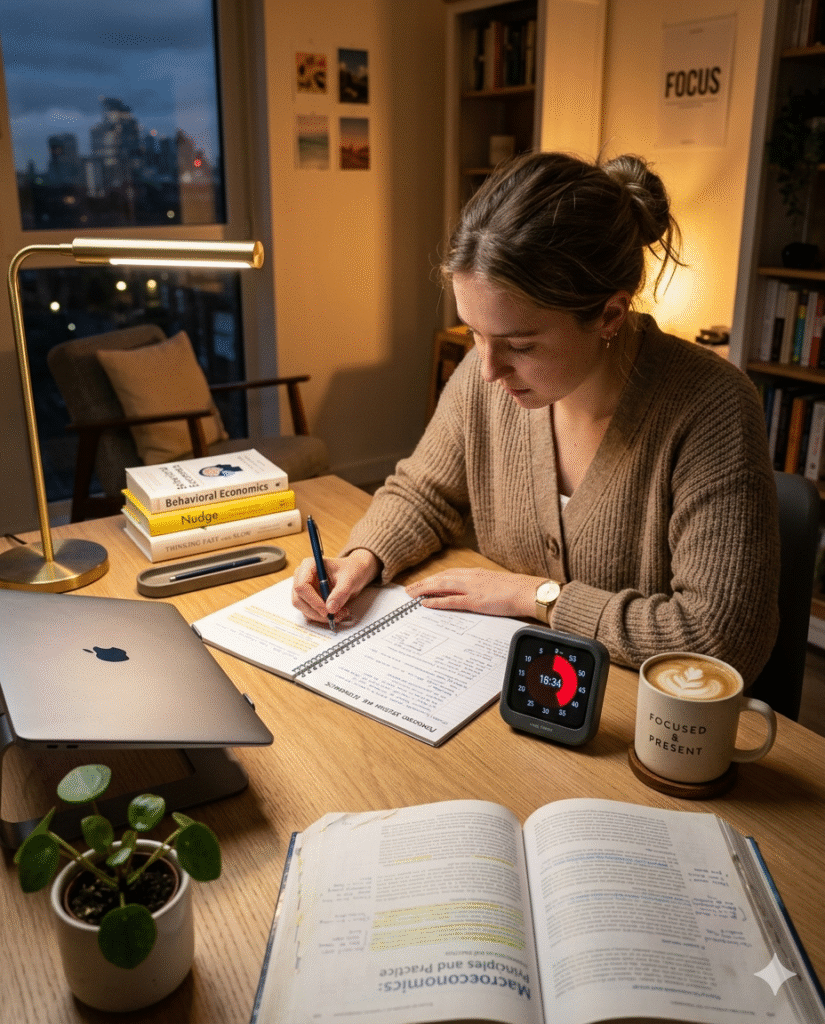
When people ask how to concentrate on studying for long hours, this is usually my first recommendation.
My mistake was trying marathon study sessions.
My brain hated them.
Then I started using focused blocks.
Simple Method
- Study for 25 minutes
- Take 5-minute break
- Repeat
Studying suddenly felt more manageable.
A visual Pomodoro timer helped because I stopped checking my phone constantly.
Short focused sessions are usually more effective than forcing endless study sessions.
4. Create a Clean Study Environment
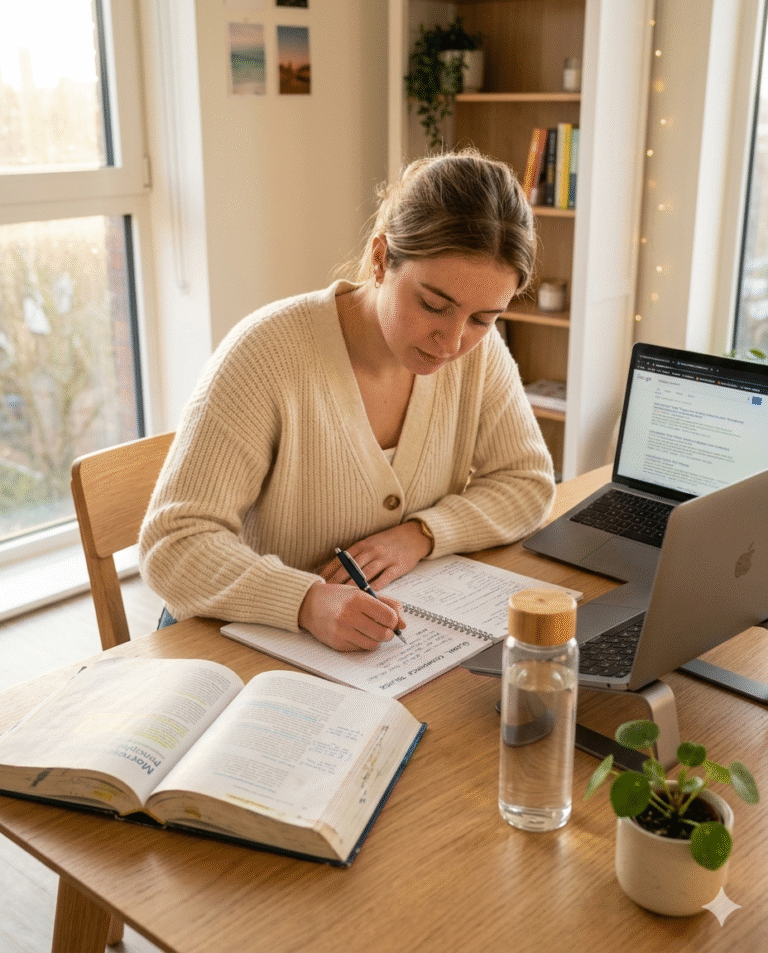
I didn’t expect this to matter.
But it mattered a lot.
Whenever my desk looked messy…
my brain felt messy too.
Now I usually keep only:
- notebook
- textbook
- water bottle
- pen
- laptop (if needed)
Everything else disappears.
A cleaner environment usually creates easier concentration.
5. Start With the Hardest Subject First
This changed how my study sessions started.
Earlier, I always did easy subjects first.
Big mistake.
By the time difficult subjects came…
my mental energy was already gone.
Your brain usually has the most energy early.
Use that wisely.
Start with:
- math
- science
- physics
- difficult assignments
The rest of the session becomes easier afterward.
6. Learn How to Concentrate During Exams
Exams create a strange problem.
Even students who normally focus well suddenly struggle.
Not because they’re less disciplined.
Because stress constantly competes for attention.
One thing that helped:
Instead of saying:
“I need to study for exams.”
I started saying:
- revise Chapter 3
- solve 15 questions
- review flashcards
Specific goals create better concentration.
7. Take Care of Your Energy
Sometimes concentration problems aren’t focus problems.
They’re energy problems.
Whenever I slept poorly:
My focus disappeared.
Whenever I skipped meals:
My concentration dropped.
Things that improved focus:
- sleeping 7–9 hours
- drinking enough water
- taking short walks
- eating balanced meals
A tired brain struggles to concentrate no matter how motivated you are.
8. Use Active Recall Instead of Endless Reading

This completely changed how I studied.
I used to reread notes repeatedly.
It felt productive.
But I remembered surprisingly little.
Now I usually:
- read topic once
- close notebook
- explain from memory
- check mistakes
What surprised me:
Active recall felt harder.
But difficult studying often creates stronger memory.
This forces your brain to stay engaged.
And engaged brains focus better.
9. Use Background Sound Carefully
Some students focus better in silence.
Others don’t.
For me, it depended on the day.
Sometimes these helped:
- lo-fi music
- brown noise
- rain sounds
- instrumental music
Lyrics usually distracted me.
The goal is reducing distractions.
Not creating new ones
10. Give Yourself a Reason to Stay Focused
One thing I noticed:
Concentration improves when studying feels meaningful.
Whenever I connected studying to something bigger, focus became easier.
Examples:
- better grades
- college admission
- scholarships
- career goals
- personal growth
It’s easier to concentrate when you remember why you’re doing it.
Common Mistakes That Destroy Concentration
I made all of these mistakes:
- studying with phone nearby
- multitasking
- pulling all-nighters
- studying without plan
- constantly switching subjects
- checking notifications repeatedly
- studying for hours without breaks
Most concentration problems come from habits, not intelligence.
Study Tools That Helped Me Stay Focused

These tools didn’t magically improve grades.
But they made concentration easier.
Helpful Tools
Noise-Canceling Headphones
Useful if your environment is noisy.
Visual Pomodoro Timer
Helped me stay focused without checking my phone.
LED Study Lamp
Reduced eye strain during longer sessions.
Blue Light Glasses
Helpful during long screen-heavy study sessions.
Laptop Stand
Made longer study sessions more comfortable.
My Personal Focus Routine
Whenever concentration feels difficult:
- Put phone away
- Clean desk
- Set timer
- Choose one task
- Focus 25 minutes
- Take break
- Repeat
Simple.
But surprisingly effective.
FAQ
How can I concentrate on studies without distractions?
Remove your phone, create a clean study space, and use focused study blocks.
How can I concentrate on studying for exams?
Break large tasks into smaller goals and focus on one thing at a time.
How can I concentrate on studying for long hours?
Avoid marathon sessions. Use shorter focus blocks with breaks.
Why can’t I concentrate while studying?
Usually because of distractions, poor sleep, stress, multitasking, or unclear study goals.
Final Thoughts

For years, I thought concentration was something people either had or didn’t have.
Now I see it differently.
Concentration is usually built through systems — not willpower alone.
The biggest improvement happened when I stopped asking:
“How can I force myself to focus?”
And started asking:
“How can I remove the things that keep breaking my focus?”
Because the truth is:
You usually don’t need more motivation. You need fewer distractions.
And once I understood that…
studying became much easier.